
Snakkidz - The Snack Bar Your Kids Will Actually Eat

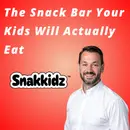
What if the snack in your kid's lunchbox was doing more harm than good? Ramon Vela sits down with Steve Weiss, Co-Founder of Snakkidz, for a warm and eye-opening conversation about the state of kids' nutrition, the problem with processed snacks, and the family business born from one dad's refusal to settle for the status quo. Snakkidz makes chewy, gluten-free, better-for-you snack bars for kids — no dyes, no seed oils, low sugar, and short ingredient lists — and Steve's passion for educating parents is as...

 Apple Podcasts
 Spotify
 Castro
 RSS Feed
 What if the snack in your kid's lunchbox was doing more harm than good?
Ramon Vela sits down with Steve Weiss, Co-Founder of Snakkidz, for a warm and eye-opening conversation about the state of kids' nutrition, the problem with processed snacks, and the family business born from one dad's refusal to settle for the status quo.
Snakkidz makes chewy, gluten-free, better-for-you snack bars for kids — no dyes, no seed oils, low sugar, and short ingredient lists — and Steve's passion for educating parents is as compelling as the product itself.
* It started with a kindergarten worksheet. When Steve's son came home with a word find sponsored by junk food brands, something clicked. That moment, combined with his manufacturing cousins' vision, sparked a family business built on the belief that kids deserve better — and parents deserve the truth.
* The label lesson every parent needs. Steve breaks down exactly what to look for in a kids' snack: no artificial dyes, low sugar, no seed oils, and as few ingredients as possible. Simple rules that most popular snack brands quietly fail.
* Kids have to love it — or it doesn't matter. Snakkidz went back to the drawing board on early flavors based on real consumer feedback. The result is a line of chewy, non-crumbling bars in flavors like Chunky Monkey, Strawberry, and Chocolate Chip that kids actually ask for again.
* Lead by example, not by lecture. Steve and Ramon share a genuine conversation about how healthy habits in kids start with what parents model at home — from cooking together to reading labels to showing, not telling.
* A family business built on trust. With a manufacturing background on one side of the family and marketing expertise on the other, Snakkidz was built on complementary skills and mutual respect — and that foundation shows in every decision they make.
Join us in listening to this episode for a candid, practical, and genuinely heartfelt conversation about kids' health, nutrition education, and what it really takes to build a better-for-you brand from scratch.
Whether you're a parent looking for a snack you can feel good about or a founder building in the food space — this one is worth your time.
To learn more about Snakkidz, visit: https://snakkidz.com/
If you enjoyed this episode, please leave The Story of a Brand Show a rating and review.
Plus, don’t forget to follow us on Apple and Spotify.
Your support helps us bring you more content like this!
*
Today’s Sponsors:
Saral - The Influencer OS: https://www.getsaral.com/demo
SARAL is the all-in-one influencer platform that finds brand-aligned creators, automates outreach, and manages everything in one place. Request a live demo today. Let the SARAL team know you're a The Story of a Brand Show podcast listener to get an extended free trial! Visit the link above.
Ramon Vela (00:00)
Hey everyone, this is Ramon Vela and this is another episode of the story of a brand. Like always, we have an amazing guest and brand that we're going to feature on today's show. But before we do,
Welcome to the show today. We have an amazing program today. We have Steve Weiss who is co-founder of Snakkidz Welcome to the show
Steve Weiss (00:20)
Thank you, thank you for having me.
Ramon Vela (00:21)
Well, I appreciate your time. I know you're busy, you're building a business, you've got this amazing product and we're gonna go learn everything about it. But before we do, I have a signature question that I always ask my guests and it is a question around gratitude. And I just feel like it's just a great question to start off a conversation around your journey, but also it allows us to kind of get to know who you are as a person. And I really want...
the listening audience to know that behind these brands that we feature on this show, there are real people who care deeply about their product and about their service and about their consumers. And I want you to get to know them because these people bleed, sweat and tear over bringing their products to market. And again, I just want you to know who they are when you see their product online, on the shelf or wherever. Now, I also promote gratitude because I think it's a great way to relieve stress and anxiety.
I have been a business owner my entire life, just about my entire life. And I've been through some very rough times and gratitude and gratitude practice has actually helped me through some of my darkest moments, both in the business world, but as well as in the personal world. And I highly recommend it and I promoted in it's easy and it's affordable. It's basically free for everybody. So I would highly recommend you take a look at that, whether you journal, you pray, you meditate like I do. have a meditation practice.
but I just highly recommend it. So with all of that said, Steve, would you mind sharing a moment or a memory when someone did something for you that just made you feel grateful because it meant that they believed in you, your vision or your potential.
Steve Weiss (01:56)
Every morning. love the question. I practice gratitude every morning as well. I it's a very powerful tool. And I think in this case, there's a lot I'm grateful for, but in regards to Snakkidz, I think it's relevant. Would be my two cousins who I'm in business with. So we are a family business. They have a manufacturing background. I have an advertising and marketing background. And we were talking one day and they had this concept of an idea they wanted to create, but they wanted someone to partner with and they came to me, which
I'm very grateful for they put the trust in me of my expertise to work with them. And then as we were building the products, they really listened to what was important to me. At the time, my son was six years old. And for me it was, Hey, I really want to create a healthier product versus some of the things he's fed in school. And even though wasn't easier and it's more expensive and they were looking at the numbers, they trusted me to create the healthier product. And that's where we came together. So super grateful. And that's how this journey started.
Ramon Vela (02:44)
Wow, that's, I love that. And I think it's a great, it's, it's always a great opportunity to start a business and have people around you who supports you, but that you know, that you trust, that you believe in and they believe in you. And I think that's a great example. So why don't we get right to the heart of the question.
You kind of mentioned it right now, so I think this is a great way to kind of talk about the subject. But this is a tough business. Creating the food product, getting it out, not only just the making of it, the ingredients, the formulation, the recipes, whatever you want to call it, but putting it all together, then sourcing the ingredients, and then taking, packaging it, and then putting it getting it on shelves and online and so forth.
I mean, it's a tough business. and, you know, there's so many different options for kids and so forth. I always want to know from folks like, what is that? Why that drives you at night, you know, when you're tired and you're thinking like, wow, okay, like I'm done. Like I want to give up. But then the next day you wake up, what is that? Why that is that it's, that is helping you wake up and face new challenges every day.
Steve Weiss (04:04)
Yeah, the wire has to do with my son. So he's eight years old now and it was interesting. I've the last 10 plus years, I've always been really health conscious, you know, what, or what do we feed ourselves? Uh, not just eat, but also mentally, right? What are we consuming? Um, but I really focused on the food side of it because that was the background. And when my son was in kindergarten, you know, we, he brought home a worksheet and on the worksheet,
It was a bunch of corporations and I won't name them, but some of big corporations in the food space that aren't the healthiest. And I couldn't understand for the life of me why in school were they doing a word find with these corporations? And then doing a little research is basically their paid advertisement for kids that are in kindergarten. And that was right around the same time that we were talking about starting this business. And it just,
It really irritated me that that's where we're promoting to kindergarten unhealthy foods at that early of an age. And then people are like, well, it's normal. This is what we when we were kids, but like we know better and we know there's better options. So my why is helping educate parents and families that there are better options and how to look at food and not just looking at the food itself, but what does it mean for the child and for yourself, what you consume in long-term with effects are.
And so that's really my why is it starts with my son and then it amplifies there's so many more kids out there that this would be very beneficial.
Ramon Vela (05:23)
Yeah. And well, the, the results I think bear out your concern, right? We have obesity levels at, at, you know, we have the obesity levels are so high. We've got diabetes, you know, and younger and younger people we've got, you know, all sorts of different diseases and chronic illnesses and so forth. I mean, as an American people, we might have pockets of
people who are somewhat healthy in terms of their overall health. But by and large, we're an unhealthy group of people here in America.
Steve Weiss (05:59)
Yeah, I mean, you look at like countries like Japan and they have a food nutritionist in their cafeterias, right? They have to work with the chefs. They make everything from scratch within there. They teach the kids about what's in the food and have them help prepare it. There's just a better way of doing it. So yes, we're selling snacks and it's a better for you snack. But part of Snakkidz mission is to continue to make a change and how we look at food, especially for our children.
Ramon Vela (06:25)
Well, the challenging part I think is making a snack that, I mean, because the parents could love the snack, right? They can see everything about it and think, you like you mentioned earlier, you you're trying to be better, you're trying to eat healthier. And I think a lot of people want to go that route, you know, little by little making changes here and there. And they want their kids to eat better. So, you know,
they look at a product and think, this is fantastic. Like it looks really great. But then the kids have to say, you have to like it, right? Cause the kids are not going to.
Steve Weiss (06:58)
Yeah. Yeah, that's the number one
thing. the kids don't like it, it's not a good product.
Ramon Vela (07:03)
Yeah. And that's the thing is that the kids have to like it. remember, um, uh, you know, I've gotten some, um, uh, some samples in from different brands and some of them are better for you brands and so forth. And I would put them in the kitchen or put them in a pantry and just, you know, like, plan on tasting them or, know, whatnot. And, and I remember one time, a lot of times my daughter would, she's 19 years old now, but my daughter would,
you know, want to take, I would ask her to taste it and she would taste it and she would be like, I know it's healthy, but like, I don't really like the taste and so forth. And I just, I remember there had been a few times where, you know, I think, I'm going to bring the snack and I'm going to have it during my interview and talk to the people about it. And, and I look for the snack in the pantry and I'm thinking, where is it? Like, I don't know where it would happen to it. And, and then I find out later that she,
like ate them all. And then I often, and that's what I always often think like from a beta testing standpoint, you know, kids are a great way to get that feedback because they will be open and honest about the taste of what it's like. And, and, and that's the thing is that if you can create a snack that is loved by the parents because of the profile, the nutritional profile, but then also loved by the kids in terms of the taste. mean, you've got yourself,
Steve Weiss (07:56)
Yes.
yeah.
Ramon Vela (08:22)
pretty good winner there.
Steve Weiss (08:23)
Absolutely.
Ramon Vela (08:24)
So, mean, tell me, what's the feedback you're getting from the parents and the kids?
Steve Weiss (08:28)
Yeah, so the feedback is great. Obviously, when we first launched, we launched right around two years ago now. We really listened to our consumers and we tweaked some of the recipes. So we had a birthday cake that family and friends was their favorite, but when we got to the consumers, the feedback was it wasn't their favorite. So we replaced that with our chunky monkey, which is our banana and chocolate, which is excellent. And so feedback has been great. The one thing that we do hear a lot, and I think this is where we need to help educate families, is the size.
And they say, it's too small. So I think when we look at like the dietitian route, what you're supposed to be eating, the size, we're actually where we're supposed to be along with other brands and other snacks. is a snack, not a meal replacement. And on top of that, our bars, the way they're made, it's actually through a protruder. So it smushes it together. Now, the main benefit that we hear parents love about that is our bars don't crumble.
Ramon Vela (09:05)
Hmm.
Steve Weiss (09:19)
There's nothing worse than a kid eating a granola bar in the car seat and it's going everywhere. It's making a mess. don't do that. So it's a little bit more dense and pushed together. So it looks smaller, but from a weight and from a nutritional standpoint, it's exactly where it's supposed to be. So again, that's part of, think, the education of helping parents know versus just looking at something real quick and like, well, you know, this is too small. It's also meant for kids, you know, obviously adults can eat it too. Our adults have a higher calorie and other, you know, ability to eat more. So you can always eat too.
Ramon Vela (09:20)
you
Hmm.
Mm hmm. And are these like a soft granola bar or a crunchy granola bar? Okay.
Steve Weiss (09:52)
They're chewy. Yeah. So
not like a hard, like, you know, where it breaks over, but nice chewy and kind of breaks without the crumble, which is awesome.
Ramon Vela (10:00)
Yeah, I love that because I've tried some granola bars that are just exactly what you mentioned. You bite into them and they start crumbling all over the place. It's kind of hard to eat them. So yeah, mean, what are, and let me ask you this, like in terms of, and we'll go a little deeper into the nutritional profile and the ingredients in a second, but.
What are some of the things that you would recommend as you, like you mentioned earlier, you want to educate parents. What are the things that parents should look at in terms of while they're looking, while they're choosing snacks for kids? Because this is not exactly the same example, but you know, I like to go hiking. So I will go buy a bar before I go hiking.
in the mountains here where I live in California, they request, you don't have to, I think I do, you buy a pass to go on the hiking trails. It's only like five bucks or whatever. So I stop at a convenience store, get that pass, and then I'll buy a bar. And I've always chosen the bars that I always thought were housing. I always look at them and think, yeah, this one's like, you know,
a staple for like hikers and all of that. And the more I did this show and the more I learned about nutrition, I realized that that bar was so filled with sugar. That's the reason why I liked it so much. know, so, so that's something I had to learn too, you know, about these bars and then, but then finding bars and choosing bars that didn't have this was then became a challenge.
because the sugary bars and all this stuff are just so readily available for people. What do you recommend if someone is a parent and comes to you and says, so if I'm going through the aisle, what do I look at? Is there anything that I can look at to help me choose a better for you snack?
Steve Weiss (11:59)
Yeah, absolutely. And it's a great question. So first and foremost, and I think there's been a big push in America recently, which is great. Dyes. Don't get anything with dyes. They've been linked to ADHD, different behavioral issues. It's been shown over again in studies. It's been banned in Europe for years and years and years. So if anything has dyes, stay far, far away from it. And then you hit a great point. It's sugar, right? And I don't think sugar is the enemy, but a lot of sugar is not good.
And if you think about your child, right, and you give them a bar that has 15, 20 grams of sugar and they get a little sugar rush and then all of they crash, they're hungry again, there's no substance in there. So obviously we use gluten-free organic oats, which is great because it slows down the digestion of sugar. And then we only have five or six grams depending on our flavor, where a lot of other bars have 10 plus, all the way up to 20. There's a big difference. Definitely like a sugar content. think, you know, obviously no, nothing artificial. There's no need to have artificial.
flavors or dyes in products now, there's other alternatives. The reason companies don't do that is from a cost perspective. They're just looking to make more money. So look for the ones that don't have that. And then the last one is obviously is, you know, I think particularly seed oils, when you start looking at it, if you had one product a week that has seed oil in it, I don't think there's an issue whatsoever with it, right? But it's just like, if you have too much sun or too much water, too much of anything isn't good.
If you look at the way products are constructed because of cost, you go to restaurants, they're typically putting using seed oils or vegetable oils within what they're cooking. If you look at processed food, even bags of chips or cookies or snacks or whatever it may be, 90 plus percent right now are using seed oils. So you can think about you're eating out a couple of times a week and now you're getting processed food and snacks every single day for your child. And then having school lunch, you now are having
20 plus times a week of seed oils, it does cause a little bit of an inflammatory response. That's why we use avocado oil. So there's no seed oils within there. So it's things like that, right? And then obviously you don't want something that has 30 ingredients in it. There's no reason to have something that has that many ingredients in it. Try and look for less. It's typically going to be a better for you.
Ramon Vela (14:06)
That's pretty good. So no dyes, low sugar, no seed oils or low amounts and less ingredients are better. I think those are a good sort of guide. And in terms of the Snakkidz snack, how do these guidelines apply to the snack?
Steve Weiss (14:28)
Yeah, absolutely. So again, we use avocados, there's no seed oils. We're low sugar. It's only five or six grams per bar, depending on the flavor. No artificial color as dyes. We're all organic. We're non GMO. We're, you know, vegetarian. We're kosher, gluten free. So we are made in a dedicated facility of the top nine allergens. So there's no nuts. Even if you don't have a nut allergy, I know some of my parents have suffered this as well as you can't bring any products with nuts to school. So then you're like, Oh, what am I going to use for snacks?
So that's one aspect of it. The other aspect parents can look at is how to build snacks together, right? So a lot of times we talk about for this product, for granola bar, we are the perfect size and what you be consuming from our granola bar. Now, if you have a child that's like 10 years old and they're going soccer practice, something I'll do with my son is I'll pair it with like a cheese stick. I'll get a piece of cheese, I'll cut it. So now he has some protein, he has some healthy fats.
You guys have them healthy carved with the oats. He really likes both and he eats that and that together is a filling snack and then you're not going to have a crash for it. And so one thing that we've done when we launched was we partnered with a registered dietitian that is not only well known throughout the U S she also has three kids in a room. So you can see on our website, we have kid nutrition. We want to make sure that we're educating parents. So there's a lot of tips there as building like different snacks. Also one area we found
Ramon Vela (15:27)
Mm-hmm.
Steve Weiss (15:45)
And this is something I've done with my son since he was little. And it's a great way to one, build a bond, but also teach them healthy ways of eating. If a kid prepares a snack or a meal, they're going to be five times more likely to actually eat it. I hear it from so many parents, yeah, my child doesn't like eating this or that. If you have them help you prepare it, they're going to like it. So something like even at the store picking out, do you want carrot sticks or, or carrot chips, right?
and let them make those decisions because then they take ownership of it and it's not you telling them what to do. So we've seen a lot of success not only with my own son at home, but with a of parents that we talk.
Ramon Vela (16:19)
Mm-hmm. You know, I also noticed that when the parent starts to do these things for themselves and being open about it, you know, so that the children could see, the kids could see, I don't know, maybe it's just my own experience, but I've just noticed that when you do this,
the kids start absorbing it. Like for anyone who has kids, the thing that I've learned that it's across the board is that kids will listen to what you say, but what you do, they absorb that. Even when you don't think they're watching or when they don't think you're paying attention, they absorb all that, you know, and they'll tell you, they'll repeat back things that you say that you think like, wait a minute or do, and then think like, you know, I can't believe it.
And I just noticed that when you start watching your health and doing these things and checking labels and learning more and so forth, the kids kind of absorb this and they start trying to repeat the behavior as well. have you noticed that too?
Steve Weiss (17:23)
Yeah, no. So children's brains are wired to mimic their environment. So yeah. And like, there's so many times I'll ask my son, tell my son to do something. It's a battle. It's back and forth, right? But if I just lead by example, I do it, they pick it up because it's, it's not a year telling me and I want control and something as kids continue to develop and get older. That's something that happens. This is more of like, it's in my environment. I see it. I mean, there's studies even a little off topic, but similar. There's studies that show that parents that go to the gym,
or work out and their children see that are like six times more likely to work out as they get older, right? Because it's ingrained, they see in their environment. So it comes from healthy eating, making better choices. And I love, like you said, it's not a, you need to do this and you're telling them, it's leading by example and showing and taking those actions and creating a healthier family, which ultimately everyone wants.
Ramon Vela (18:11)
Yeah, I noticed that like even in my own journey, I was, I had a terrible diet, but I started changing it. And my young, my oldest was, was there when I was just starting. So she's kind of picked up some habits, but not very many. And then, but my daughter, my youngest daughter who's 19, she has, she has now seen me for the most part of her life in the newer me, right?
heart that has been more healthier, more, you know, working out, hiking all the time, you know, walking, you know, whatever. And she is now like, she's like even more hardcore than I am. Like she works out every day. She weight lifts, she eats healthy. She tries new dishes. She makes her own food because I've, I've, I've kind of learned that it's, know, like eating out is fine. Like doing it every now and then. And like, if you want to celebrate or do something, but by and large, I have a
Steve Weiss (18:53)
That's awesome.
Ramon Vela (19:02)
prefer to eat at home because I can control the food that I eat and so forth. And so she does the same thing. She loves, you know what mean? It's just amazing. Like she's been more, I guess, just been around it more now. And, and she, she looks at labels and re labels and she understands the, you know I mean? Like it's just, it's just amazing that kids will absorb. And the more you're into it, the more they'll kind of absorb it, if you're not like too pushy about it.
but you just talk to them about it, but they see you do it. What kids don't like is when you tell them to do something and then you do the opposite. That's what really,
Steve Weiss (19:37)
Yes. Hypocrite, right? I mean,
it's simple as something like, so my son, I'll just give him an example and we cook together, right? And so we'll make French fries. I'll take potatoes, I'll slice it up, I throw some olive oil on it, I throw some salt and we bake it. And he loves them, they're delicious. And then, you know, I'll pull up something online and show him, hey Ben, what goes in French fries? And he's like, oh, potatoes, you know, olive oil.
or avocado oil depending and salt. And then I'll show him McDonald's french fries, it has 19 ingredients, right? And so it's not me telling him, don't eat this. I'm just showing him the difference of what is something that he knows tastes delicious. We make it home versus something they sell there. And he's like, yeah, no, I don't want that. Like I like the ones that we make. it's, you know, a lot of cultures, like I've took a trip, I've taken a lot of trips around the world and explored the one when I was in Peru.
And I was hiking through the mountains and the cultures there, like they live in the mountains. They're not eating McDonald's or things like that. their food comes from there and one, they're healthier. The behavioral problems are less. You know, the nine year old grandma's out there farming, but that's what they know. And that's what their house and they love the food that they eat there and it's delicious. Right? So it's like, I think it, like you said before, it starts with the parents. What you're doing yourself is what your kids are going to follow. So
Ramon Vela (20:35)
Hmm.
Steve Weiss (20:54)
That's part of what we want to help educate. Let's do for yourself that you do for your children, right? Because they're the ones that are
Ramon Vela (21:00)
Yeah, yeah, no, absolutely. I think it allows, know, when you look at it that way, it also encourages the parents. like as the parents are trying to be healthy, you know, if they look at it and think, you know, if I get healthier and then my kids will be healthier, you know what mean? Like they'll start to learn in this process and we can learn together, right? And, you know, there's all sorts of different ways. And cooking together, you just said something and I just want to just mention this because I want to emphasize this.
Cooking together, I think, is an amazing thing that you can do with your kids. Because, like you said earlier about giving them autonomy and making them feel like they're choosing and so forth, it's just amazing. Because when you cook together or when you show them how to make a recipe or something like that, it's like you're empowering them and then it encourages them to take things to a different level that maybe you're not even doing. Like my daughter, again,
you know, I introduced sweet potato with her. told her, said, I love sweet potato. I'm going to introduce you and I will just do the basic, you know, roasting, put a little olive oil in and cut them up in pieces and then roast them on the, the oven. And, but now she, like, she does these like soaking methods and she does air fryer methods and she, you know, she adds all sorts of different things to it. You know, like she's taken it to a couple of completely different level that I have. She is so much better than I am now.
But I mean, that's just one example. It's almost like you're giving them a gift of autonomy and self-reliance to be able to cook and so forth and all of that. So I don't know. I just think that's a great tool if you want them to be healthy, but also that encourages you to be healthy too.
Steve Weiss (22:41)
It's also a life skill, right? So like, you know, growing up a lot of schools, they don't teach cooking. Right. And so if you're not, if you're not having your kids do it with you, then all of sudden now they're off on their own and either they'll learn or they'll be reliant on, you know, going out to eat all the time, which is expensive is not always the healthiest option. And you nailed it on the head. It gives them self-confidence as well. Like they'll, we'll go down there on a Saturday. My son's eight years old now. I'll turn the stove on for him.
And I'll be like, it's on. He knows how to do everything else. I'll stand there and just make sure he's good, but he'll do the whole thing and make his pancake from scratch. And and one, then he goes and he talked and he shows his mom like, look what I did. And he's proud of what he did. He'll definitely eat it because he made it. Right. So there's that connection to it. so I think giving them a little bit, that responsibility is only going to help them later on in life and why not teach them while they're young, you know,
Ramon Vela (23:17)
Mm-hmm.
Yeah, no, I agree. I think it's great. So I want to dive into a little bit more deeper into the ingredients and the recipe. But before we do that, let's talk a little bit on the entrepreneurial side. So as I mentioned at the very top of the show, this is a difficult business. It's challenging. So there are probably a million things you can talk about in terms of the different challenges you face.
But what I would love to hear from you is if you can think about maybe some of the larger challenges and or larger challenges and then share with us maybe some of the lessons you've learned thus far in terms of running this business. And I want this to be, I want two things from this is I want people to...
get a little peek and understand like, this is, you know, this is from a business standpoint, here are the challenges, here are the things you're going through, and then here are the things you learned, because I think people who even are not entrepreneurs, they love to kind of hear this stuff, and I want them to know how, you know, that you're, you know, this is not easy, and you're really doing this because you love it, and you're passionate about it.
But I also want other entrepreneurs to share this who are thinking about creating a snack company. Maybe they can benefit from some of your experience.
Steve Weiss (24:52)
Yeah, no, definitely a couple obstacles I've hit first. First is my background was in marketing advertising. I've worked with thousands of companies from startups to Fortune 500 companies. And I've always been very successful at taking their marketing budget and advertising dollars and making it work. Those are brands that are already existing. I definitely had to learn there's a lot of patience when you're starting from scratch and nobody knows who you are.
you can put all the ads you want out there, but if there's no brand awareness, they're not going to be as effective as when you already have a brand established. for me, think part of that was one is pivoting, understanding, like test something. I call it build, measure, learn, right? So you build a process, whether it's an ad or you're testing a different ad type or whatever it might be, you quickly measure that. And then once you measure that, you take the learnings and then you take and you reapply it.
Ramon Vela (25:42)
Hmm.
Steve Weiss (25:42)
So I've
had to multiple times this past two years as I've gone to try and grow it. So that's the first one is the build, measure, learn, think is a really important one. It's, it's fluid, right? It's always going to be constantly evolving. And that kind of goes into my next point where it's, I think a lot of entrepreneurs, you know, they try, they try, they try and they're getting close. And then it's like, they start listening outside noise and they stop. It's don't quit, just keep going. And you know,
It's at the same time though, learning as you go, try not to make the same mistakes again. Keep trying new things, keep exploring and just keep taking those steps. And ultimately that's patience. That's something that I've had to learn these past two years. You know, in my mind, I'm like, within the first three months, we'll be at this on Amazon. Cause I understand how Amazon works. I've used to work there and I've had clients that are like, no problem. And it's like, we just hit the number I thought we do within the first three months after almost two years.
Ramon Vela (26:34)
Hmm.
Steve Weiss (26:35)
Right.
And so it's a little bit of a slower grind. And then in the snack food category, I think, you know, there's a lot of different categories that you could get into that have way higher margins like finance and some other areas. The CPG category, especially food, it's very low margins. So you have to be very strategic about how you're spending your dollars, how you're acquiring customers, how you're retaining them. Right. Especially
Ramon Vela (26:40)
you
Steve Weiss (26:59)
when we want to be competitive from a pricing, but we still want to offer the best quality ingredients. So when you get thin margins like that, have to be very strategic and think outside of the box as far as gaining awareness. Cause ultimately that's what building a brand is. It's getting people aware of what your mission is, what your values are, resonate with them, and then ultimately having them try the product and sample it. So I've had to get very creative of how to do that in the past two years. And I could still continue to learn and adapt and evolve.
as I try and grow our brand.
Ramon Vela (27:29)
Well, I appreciate you sharing those. I mean, I know I'm sure there's a million other things you can reference and talk about, but these are big ones. And I just want people who are listening to this to realize, mean, these are the challenges of our food system. The most manufacturing companies that food companies go to and so forth to make these foods,
They have certain ingredients. They're essentially designed to make food the way the larger manufacturers do. And so those are not always the most healthy choices. So when you go in and try to introduce new ingredients, new ways of doing it, or a different type of snack or a healthier snack, it's challenging. The costs are higher. The ingredients sometimes are higher. The cost of the ingredients are higher.
There's just a lot of challenges for companies who want to create a better free product for you and your family, your kids. And those I think from a consumer standpoint, those are some of the things you need to think about. Am I going to continue to buy these products from these large multinationals who, quite honestly, they just don't really care. They're just trying to sell you a box. Or are you going to support companies like Snakkidz
and understand that it is tougher for them. So they have to do what they can to bring a product to market. And as a parent, you have to ask yourself that when you're in the grocery line or you're shopping online or on Amazon or wherever. And these are things you need to ask yourself. And quite frankly, I think, you know, the answer is very simple. Like if you care about what your kids are eating, and of course you do, then you want to do the best for them.
And I hopefully through these interviews that we do, you as a consumer realize that for a lot of, if you want a better world, we've got to support the companies that are doing this. So.
Steve Weiss (29:26)
And here's the way
you can do it. Totally free. That would be huge help. So our second largest cost is advertising, but we have to do it. If we don't advertise and put awareness out there, nobody knows who exists. So you as a parent, if your kids enjoy the product, word of mouth is the biggest way to continue to grow our brand doesn't cost anything. You tell a couple of your friends also have kids, whether it's our brand or another brand that you believe in that's healthy and that is good. Hey,
You know, Johnny tried this bar and absolutely loved it. We love it because it's low sugar. doesn't have any seed oils. You you can get it here at Costco or you can get it on Amazon. That right there. If one person tells three person, three people, and then that one, and that one, each person tells three, that's how it spreads. And it saves us a ton. And not just for our brand, but any other brands you believe in. There's a lot of brands that, you know, I buy because it's a healthier option for my son. And I try to as much as possible. It's like, Hey, I love this brand.
because I want them to continue doing good so they don't disappear, you know? I could still be able to buy their products.
Ramon Vela (30:24)
Yeah, no, I get it. And I hate when that happens when you really love a product and then it disappears because it just didn't have enough support. Which actually leads me to a quick question. I know I was asking you earlier about where people can buy and we'll talk more about this. Of course, at the end, we'll make sure people know where to get your product. But are you selling into schools right now? I mean, do you want parents to request this snack in their schools?
Steve Weiss (30:50)
Yeah, I mean, that'd be great. What I've done so far at this stage is I've worked with my local PTO. we'll, any type of events, we'll actually just bring them in and donate them so the kids can try them. We'll also use it for any fundraising, right? So like if we can get back to schools as well. So PTO is a great way to bring it up. We definitely love to sell in schools. We're not at that point yet of finding the right distributor to do that, but it would be great because it's a better option.
And I've seen some options that are sold at schools and they're not great. And there isn't really a choice for a healthier option. So the kid's obviously gonna grab whatever is there. So yeah, no, that's a great point.
Ramon Vela (31:31)
Yeah,
well, I've seen it too, because I've been involved in my kids school for a long time, but I've seen it too. And the things that they offer the kids are terrible. I mean, I think personally, the snacks wise.
Steve Weiss (31:45)
The snacks
even the foods not great, but the snacks are really like I mean Not good and then they wonder why the kids have a hard time sitting there for seven hours in a chair It's like what you just gave him 40 grams of sugar a lunch and now you're asking to sit still like you couldn't do that Why you asking them?
Ramon Vela (31:55)
Mm-hmm.
Yeah.
Well, and you know what I noticed too is they're giving them stacks that are for adults as well, but they're giving them in smaller packages and then with slightly different packaging. You know what mean? And so it looks like it's for kids, right? It's a small little package and it has a animated whatever cartoon or whatever, but it's the same. There's the same snack that they would sell to adults and
And so for me, it's like, that doesn't make it any much better for kids. Like just taking an adult snack and putting it down to repackaging it basically is what they're doing.
Steve Weiss (32:36)
Well, that goes back to the funding and where does money come from and then how do you get in those school systems? So that's something that to your point as consumers, let's think about it for a second, right? The last two years, there's been a big shift where you'll see like Doritos. I'll use them. For example, they do the Doritos naked now. They took all their dyes out. Well, if consumers didn't start spending money with other brands, do you think Doritos would have ever taken the dyes out? No.
It was only because they follow the money. really consumers have the power and they have the power by what they spend their money on. That's dictates what big brands are going to do. So I love that they take it out. I love there's a change, but there's so much more that can be done. So word of mouth, and then also just understanding what you should looking at, what you should buy, what's a healthier option and putting your money there will make the big orders of these organizations and companies changes.
Ramon Vela (33:26)
Yeah, and I 100 % agree with you in terms of the consumers have the power to change. And one example is huge. not exactly in the food area, but food and beverage, is like, this is different than what we're talking about, but same concept is non-alcoholic drinks, right? That was like a little, little thing going on and no one really paid attention to it. And it was just kind of like sitting there for a long time.
And now it's just grown to the point where, you know, it has impacted the stocks of these alcohol companies, because less people are buying alcohol, they're buying these drinks and people are coming up with these drinks. And so now they have to adapt and start changing what they're doing in terms of offering non-alcoholic drinks and making them more appealing, you know, making them appealing and so forth.
To me, that is where the consumer's behavior has impacted these huge large corporations to offer now good or good non-alcoholic drinks. And it was hard for them.
Steve Weiss (34:31)
Yep. It's a great example. And
I love that you brought that up because it's another example that consumers have the power. And it's a nice reminder that it's not all these companies.
Ramon Vela (34:42)
Yeah, yeah. Well, I mean, the stocks, know, once it, once it starts hitting your stock, then yeah, they got to pay attention to that. So, okay. So let's, in a little bit of time that we have left, let's talk about the ingredients. So before we do that, I want to just bring up the website. just for, so if you want to follow along and what we've been talking about, what we will be talking about, you can go to snackkids.com. So that's snack, S-N-A-K, and then
K-I-D-Z.com. So snackkids.com, all one word, S-N-A-K-K-I-D-Z.com. There's two Ks in the middle there, snackkids.com, and kids is with a Z. And we'll have that link on our podcast description, so you'll be able to find it. But if you wanna go and listen to this, or watch this, look at it while you're listening to this, be my guest. And let's talk.
or high level in terms of the ingredients, you know, walk us through a little bit of what goes into them. I know we kind of talked a little bit about it, but walk us through what the ingredients are, how you make it, and any other feature that you wanna make sure the audience knows about.
Steve Weiss (35:58)
Yeah, absolutely. So for our products, our first ingredient is gluten free organic oats. Oats are great because it stabilizes your blood sugar. So that's something that is great for kids. You don't want the spikes. That's what causes I'm hungry and the crashes and the, you know, the whining and all that. We don't want that. So that's the first ingredient. And then depending on the product, right. So for strawberry, we use freeze-dried strawberries and strawberry juice concentrate to give it its color and to give it sweetness.
We do use added sugar, but as I mentioned, it's for our strawberries, only five grams total. And then we have Rice Crisps to give it a little of that granola flavor, that pop. And that's really, and then we use avocado oil, right? So you need some type of oil to make sure it all melds together. So there's no seed oils whatsoever. And then we look at the chocolate chip one. Obviously we have chocolate chips in there instead of the strawberries. And then with the Chunky Monkey, it's our chocolate chips and our banana.
Right. So we're using the fruit. We're using low sugar. We're using avocado oil. Everything, as I mentioned before, is organic. It's non GMO. So obviously there's a premium to be have those ingredients in there, but we know it's well worth it to make sure that we're giving families better options within the bar.
Ramon Vela (37:11)
Out of curiosity, have you ever thought about using, what is it called? Upcycled foods? Is that what they're called? Upcycled? Are you familiar with it? We can talk offline, but you know, like I've covered a couple of companies who offer upcycled foods. And I believe that that's the term upcycled where they take a part of the product that, know, or like, let's say companies and use all of the product or
Steve Weiss (37:17)
I'm not familiar with that.
Ramon Vela (37:35)
they throw away the peel and then they use the peel and stuff like that. don't know, just thought it was, many of the same nutrition is still in there, but they just, it's just.
Steve Weiss (37:43)
Yep. That's what they do
with like all those fruit bars. It's basically that's the leftover when they make juice and then they buy that and then they repurpose it. So it's great, right? So you're not wasting anything. so I definitely make sense.
Ramon Vela (37:50)
Mm-hmm.
Yeah, yeah, I
was just curious about that. Okay, so that's the ingredients. How about the manufacturing process? I know you mentioned about it being in an allergy or nut-free environment.
Steve Weiss (38:06)
Yep.
So we are, it's a, we're in a dedicated facility, the top nine allergens. so completely no nuts, no tree nuts, peanuts, no dairy, no glue in, and the rest of them dedicated line, a whole facility actually. So we're good there. And again, our process is a little different, which gives it its unique thing where it doesn't crumble. So our process, a lot of the main granola bars, what they do is they get huge, huge, huge lines of sheet trays takes up
lot of space and it gets laid out gently and it goes through a baker then a knife comes through and chops it up. That's why they kind of crumble a little bit easier. It's not as condensed. Ours goes through a machine and kind of gets squeezed into a tube and then chopped that way. So it gets the grease get pushed together a little bit more. As I mentioned, same way as our competitors, it looks visually smaller because it's condensed and pushed together. So there's less air. But the huge benefit that we've heard from so many parents is that there's no crumbs.
Ramon Vela (38:43)
Mm-hmm.
Steve Weiss (39:01)
When you're eating it, you're not going to get crumbs everywhere. You bite it, it's still chewy. It's great without the mess. So we think it's a big benefit. And from a weight perspective and nutritional standpoint, it's the exact size of a snack. What we usually recommend is pairing it with some sort of protein option or another great one we've seen is yogurt. Crumble it into yogurt. Kids absolutely love that. So you again, protein, healthy fats, carbs, you're getting a complete snack versus just getting, you know,
Ramon Vela (39:20)
Thank you.
Steve Weiss (39:27)
having some of the competitors that have double, triple the size, triple the sugar, four times the sugar, and you're not getting any of the protein, you're not getting the healthy fats necessarily, and you're just getting that kind of up and down spike, which is what we do not want with our kids or with our.
Ramon Vela (39:41)
Mm-hmm.
Yeah, no, that yogurt example sounds amazing. It sounds really good. Okay, and then anything else in terms of form factor? By the way, are you thinking of, do you have any new products or new flavors that you're coming up with and any new form factors?
Steve Weiss (39:48)
Yeah.
Yeah, absolutely. So
about a month ago, we did launch our brand new fruit-filled oat bar. think of a healthier NutriGrain bar with a little bit of a Fig New and Twist. So we launched that about a month ago. We've gotten good reviews so far. And it's one of the things that when we first launch a product, we can think it's great.
Ramon Vela (40:15)
Mm-hmm.
Steve Weiss (40:26)
but we really listen to our consumer feedback. So reviews are really important, whether you like it or you don't like it. Because what we do is we take those reviews within the first six months and say, okay, do we need to tweak this recipe? Do we go back to the drawing board or do we continue? Unlike these large corporations, we don't have $10 million to go out and do these different test groups and focus groups and all that. So we really rely when we first launch feedback. So I think that's the other thing too, whether it's good or bad, let us know so we can then tweak it if need be.
So that was the second product launch that we have. And then we're also looking at a couple others into the end of this year and into next year. So one is going to be bites. But with that, we're going to, I would love to be able to use hemp seeds. Hemp seeds are a great way to add protein omega-3s. So here's a little trick for parents out there. And I do this with my son and you don't even taste it and he loves it. Sprinkle hemp seeds if you're making pancakes within the batter.
Ramon Vela (41:07)
Mm-hmm.
Steve Weiss (41:18)
You don't see it, you don't taste it, and you're getting extra protein omega-3s and tons of other nutrients if you look at it like zinc and magnesium and a bunch of other stuff. Great way to sneak it in there. So we want to put that within our bites. And then the last is we're looking at protein puff bites. So getting protein content because our granola bars don't really fill that space. And so that's something we're working on right now as well. I'm really excited to walk.
Ramon Vela (41:42)
Wow, I love that. And any thoughts about creating products for or including products for adults?
Steve Weiss (41:49)
Yeah. So I say is like, we, we, we joke, we're to get like the, daddy size or like the king size of the art product. like, I have so many parents are like, Oh, I love like the chunky monkeys, my favorite. eat all my kids one. That's one reason we sell them the 45 pack. Right. So that way you get plenty for the whole family. Um, I think right now our main focus is really focusing on the kids with adults, be able to join them as well. But our size is really focused on the nutritional content that's made for
Ramon Vela (41:55)
Yeah.
Mm-hmm.
Yeah. And, uh, you know, I know this is hard too, but you know, like the size quantity, think we're, so used to like large quantities, large sizes that we forget that our bodies really don't need that, that huge amount of food. Um, I know that when I, uh, talk to people from other countries, that's one thing they always notice when they eat around here. They're like, oh, your proportions are so big. Like, this can feed me for like three days. You know, what we would.
Steve Weiss (42:43)
Yeah.
Ramon Vela (42:44)
eat in one meal, you know? And so I think for a lot of folks, and I've learned this actually from, in my health journey is that I feel healthier when my portions are less. Not like small, small, like non-existent, but I'm just saying when they're smaller, I don't need a ton to fill me up. I don't need a ton to keep me going. And like with the kids, like,
I think with kids, like kids do, you know, if they're active and they want, they're doing stuff, like they just, just want to eat something and then just keep going and just keep going and staying light and, and not having food that weighs you down and so forth. I don't know. I just prefer that whole, I don't know if like people see that and understand that, but I, from my perspective, I think like, you know, when you're talking about your sizes, I think it's better to just do what they, what's nutritionally recommended.
and not go with like, let's make it huge because that's what as a consumer, that's what our parents expect.
Steve Weiss (43:42)
If you think about, here's a great analogy, maybe parents can understand. Think about your body as a car. So you put fuel in, right? You put gasoline in. that same with us, food is fuel. You put it in. Well, you need to give your body time to burn that fuel off. If you don't, right? So one, if you just kept shoving fuel into it, it's going to get stored as fat. And that's something that we don't want, right? Especially around your organs. But two, if you just keep
give it your body won't become efficient. So think about if you had a car and every time you got to half a tank, you kept filling it up, half a tank filled up, half a tank filled it up. Some of that fuel in there would start getting really old and start breaking down and your car wouldn't run as efficiently as possible. Your body is the same way. So if you don't give your body a break to process the fuel and use it that you put in there, all you're doing is slowing down your metabolism. And so it's the same thing. We're not saying don't eat, we're saying is you don't need to overeat.
because all you're doing is slowing down your metabolism and your system.
Ramon Vela (44:38)
Mm Well, I, for one, really appreciate you providing the guidance and this advice that you've been giving throughout the entire interview. So I truly appreciate that. I think that's a great a great place to kind of in this interview I've had. mean, I haven't had an opportunity to taste this, but I I look forward to it and I think they they sound amazing. I don't have little kids anymore, so I don't know if my daughter would like them, but.
Steve Weiss (45:03)
You'll
still draw, I'll send you a pack. It's still virtual.
Ramon Vela (45:04)
Yeah, but I mean, I
just think, I just think they sound amazing. And I personally just like the fact that they don't crumble. Cause I've had ones that, you know, like that crumble and so forth, like the Nutrisnack or whatever it's called. I don't like it. I think it's too crunchy. think it breaks apart so easily and so forth. And you're basically eating crumbles, energy sweet from my perspective. But anyhow, I'm going to put, make sure that we, put up the links to your website there, but why don't you tell.
Steve Weiss (45:15)
Yep, neutral grain.
Ramon Vela (45:34)
the audience where you want them to go, where it's available and then also where they should start if there's a flavor that you like that you maybe you want them to start with.
Steve Weiss (45:43)
Yeah, no, I mean, I think from a flavor perspective, we have something for everybody. So our variety packs perfect. If you like chocolate banana or chunky monkey is absolutely the best. We have our strawberry. So if you're more of a fruit person and then we have our chocolate chip, is they have your classic staple. That's probably our one that we, know, most people can all agree on. They really, really enjoy. And then you can follow us on Instagram or Facebook at at Snakkidz S N A K K I D Z.
You mentioned the website earlier and we're also on Amazon. obviously we ship the same through our website, but a lot of people find they're on Amazon, they're shopping. It's a very quick, easy ad. Based on when this is going to air, there is Prime Day coming up on Amazon. Usually typically it's in mid July and we will be having 25 % off for that time. So it's a great time to come on, try us at a discount and we'd love to see and hear what you guys think.
Ramon Vela (46:34)
that's fantastic. So for all your parents out there, that's a good snack for the kids while they're out of school. I think that's like summertime already, summer school or summertime vacation. Yeah. So if they're so they're going to be around, you're to be looking for them to provide them some sort of snack. So that might be a great way for you to to get that during a prime day. But I would recommend as a parent to go look at it regardless.
Steve Weiss (46:41)
Yep, for camp.
Ramon Vela (46:58)
and go check them out. Go to their website, go to Amazon, and we'll make sure to put the links there in our podcast description, the links to the website, to their social media, as well as Amazon so that you can find those at your convenience. Beyond that, Steve, thank you so much for being on the show.
Steve Weiss (47:12)
Thank you for having me so much. I really appreciate it.
Ramon Vela (47:14)
Yeah. And I have to say that I really appreciate and highlighting a brand where the founder is so passionate about kids' health and creating a product for them and for parents too, because this is something that you're going to benefit from having a healthier child. But also just the guidance and the advice that you've given and the examples you've given, I think have just really added a lot of value. So I appreciate it. So thank you so much for being on the show. Everyone out there?
Steve Weiss (47:40)
Thank you.
Ramon Vela (47:42)
We have just had Steve Weiss who is co-founder of Snakkidz and as I mentioned before Snakkidz comm is a website and it's all one word snack with a K S and a K and then K ID Z.com Snakkidz comm two K's in the middle there and We're gonna have that link on our podcast description as well as the Instagram and other links there on our podcast description which you could find on Apple and Spotify and
pretty much anywhere you listen to podcasts, you should be able to find it. So I truly appreciate featuring a product like this. I think it meets our tagline, which is products worth buying, brands worth supporting. So hopefully you've enjoyed this interview and you'd feel like you want to support them. Go to their website, buy their sample product or recommend it to a parent or to a family member or to someone that you know who would really benefit from this. He mentioned earlier, word of mouth is one of the best things that you can do. So go.
please share this. And if you like this, another way you can do it in terms of word of mouth is talk about it on your Instagram or on your Facebook and just let other parents know that there's this really wonderful healthy snack. So appreciate if you do that. Beyond that, as I always say, stay safe, stay sane, stay healthy. And one way of staying healthy is by looking into Snakkidz products, snackkids.com. And then beyond that, everyone, one last thing.
We've all been going through a lot of stuff since the pandemic, a lot of stress, lot of anxiety. We've got this geopolitical war going on right now. It's just, it can be a little challenging for folks from an anxiety and stress standpoint. So let's just do ourselves a favor. Let's just try to be a little kinder to each other while we're in the market, while we're on the streets, we're on the freeways, wherever. Let's just be a little kinder to each other. And I know we can make this human experience a better one. Beyond that, thank you. From the bottom of my heart.
for listening to another episode of the story of a brand.
Ramon Vela (49:37)
I hit it, I hit it.
